

Why Your Dog Doesn’t Listen Outside (And What To Do Instead)
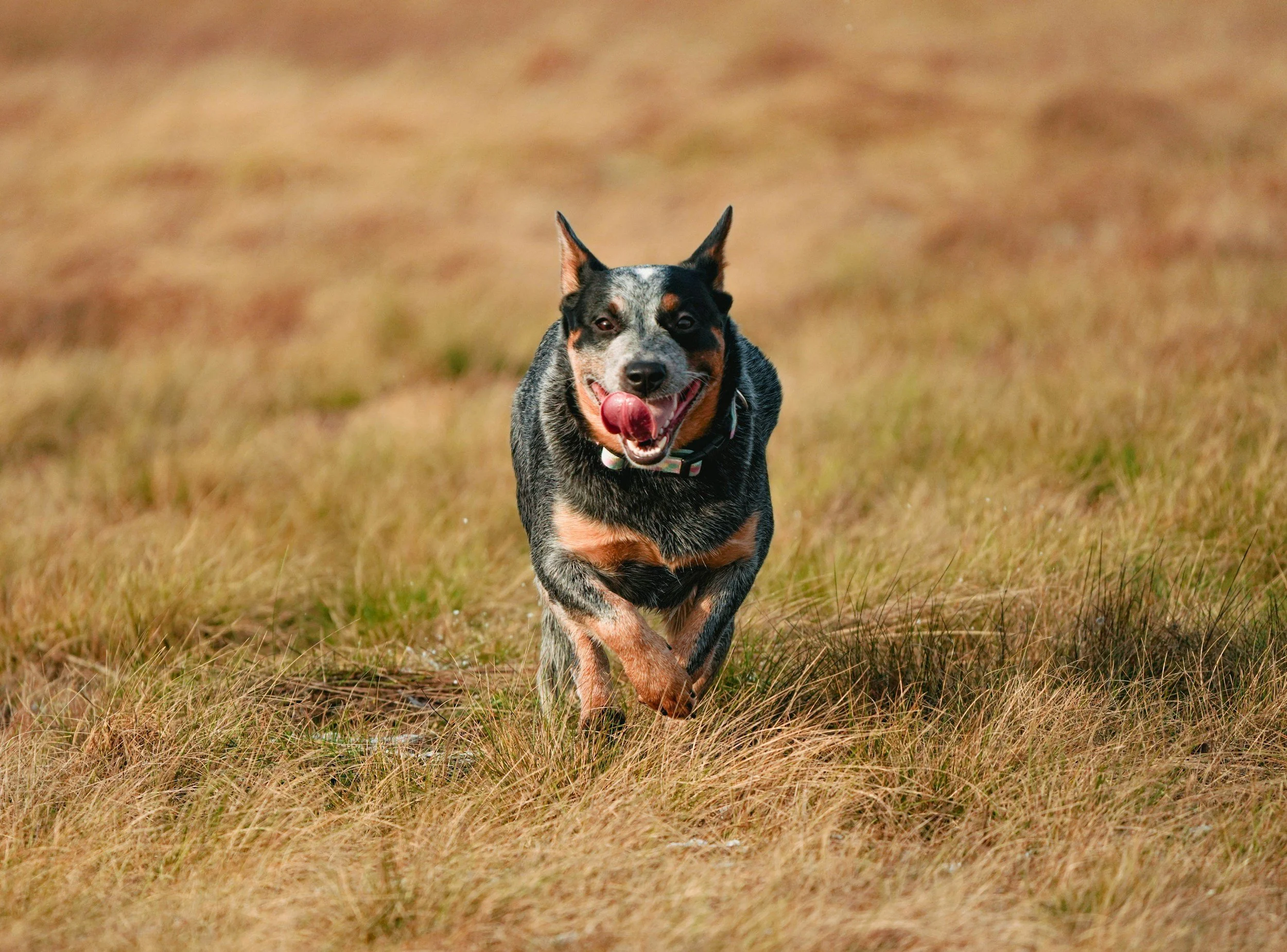
If your dog listens perfectly at home but seems to forget everything the moment you step outside, you’re not alone.
Many dog owners experience the same frustration. At home your dog responds to cues easily, but once you’re outside they pull on the lead, ignore recall and seem completely focused on everything except you.
It can feel like your dog is choosing not to listen. In most cases, that’s not what’s happening at all.
The real reason often comes down to arousal, environment and instinct.
The Problem Isn’t Disobedience
When dogs enter stimulating environments, their nervous system shifts into a very different state.
New scents, wildlife, movement, sounds and unfamiliar environments all compete for attention. For many dogs this creates a surge of excitement or overwhelm.
When arousal rises too high, a dog’s ability to process information drops.
In simple terms:
Your dog isn’t ignoring you, they’re too stimulated to think clearly.
This is especially common in:
• Hunting breeds
• Young or adolescent dogs
• Highly energetic dogs
• Dogs with strong prey drive
• Dogs who feel anxious outdoors
Why Training Often “Works at Home but Not Outside”
Dogs don’t automatically generalise training to new environments.
This means a cue your dog understands in your living room may feel completely new when you ask for it in a park or woodland.
At home:
• Few distractions
• Low arousal
• Predictable environment
Outside:
• New smells everywhere
• Wildlife and movement
• Other dogs and people
• Exciting and unpredictable environments
For many dogs, this level of stimulation overwhelms the training they know.
The Role of Prey Drive
For many dogs, particularly working breeds, prey drive plays a major role.
Movement and scent can activate deeply ingrained instincts. Once a dog becomes fixated on these triggers, their brain switches into a highly focused hunting state.
When this happens, food rewards or verbal cues may simply not register.
Trying to compete with instinct rarely works. Instead, training needs to work with these natural drives.
Watch video:

The Missing Piece: Engagement
One of the most important skills dogs need to learn outdoors is engagement.
Engagement means your dog learns to voluntarily reconnect with you, even when the environment becomes exciting.
This is very different from constantly asking for obedience.
Instead, your dog learns to:
• Check in with you naturally
• Stay mentally connected during walks
• Disengage from distractions
• Regulate their arousal levels
When engagement improves, obedience cues become far easier for dogs to follow.
Why Scentwork Can Help
Scentwork is one of the most effective ways to help dogs regulate their arousal and focus their attention.
Because dogs naturally experience the world through scent, structured scentwork gives them a productive outlet for this instinct.
Scentwork can help dogs:
• Lower arousal levels
• Develop calm focus
• Build confidence in new environments
• Learn to think rather than react
For many dogs, combining engagement training and scentwork creates a powerful foundation for calmer behaviour outdoors.
What Actually Helps Dogs Listen Outside
Instead of focusing purely on obedience cues, successful training often focuses on:
• Lowering overall arousal levels
• Teaching dogs how to check in voluntarily
• Building engagement before distractions appear
• Gradually introducing more challenging environments
• Channeling instinct through structured activities like scentwork
This approach helps dogs develop the emotional and mental skills needed to stay connected outside.
The Goal Isn’t Control — It’s Connection
Many dogs who struggle outdoors aren’t trying to be difficult.
They are simply responding to an environment that feels incredibly exciting or overwhelming.
When we shift the focus from control to connection, dogs learn how to stay mentally engaged with their handler even when distractions appear.
This creates calmer, more enjoyable walks for both dog and owner.
Need Help With an Over-Arroused or Distracted Dog?
If your dog struggles to listen outdoors, you’re not alone.
At Snout and About, I specialise in helping dogs who become over-aroused, prey-driven or distracted in stimulating environments.
Training focuses on building engagement, lowering arousal and helping dogs reconnect with their humans outside.
Support is available through:
• 1-to-1 training sessions
• Online coaching
• Personalised training plans
• Scentwork classes
Start Building Calmer Walks
If you’d like help improving your dog’s focus and connection outdoors, get in touch to discuss your dog and the best starting point.